






Emergency Medical Information & Videos

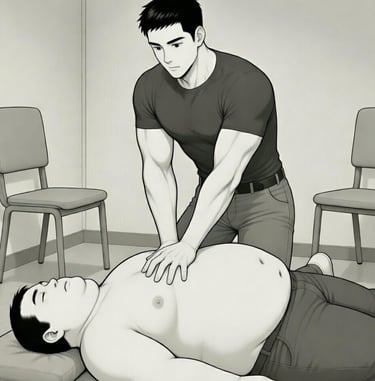


⚠️ Call Emergency Services if unsure about the health status of another person. Stay with person until emergency services arrive.
No "Home Remedies":
❌ Do not use cold showers, coffee, or salt-water injections.
These waste time and can cause further harm.
❌ Do NOT give Food or Drink:
This causes a high risk of choking (aspiration)
🔗 View information about choking (aspiration).
❌ Do NOT clean the room:
Paramedics do not care about your work or equipment.
They only care about the patients wellbeing.
❌ Do NOT hide information:
Tell the crew exactly what happened and what substances were used.
Honesty is essential for the correct treatment.
❌ Do NOT move them unless necessary:
Avoid moving the person unless they are in immediate danger (e.g., fire) to prevent worsening internal or spinal injuries.

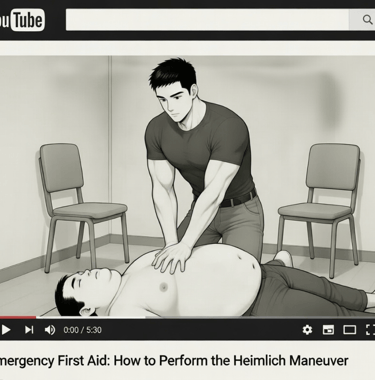




View Safety Information Resource References









⚠️ Call Emergency Services if unsure about the health status of another person. Stay with person until emergency services arrive.
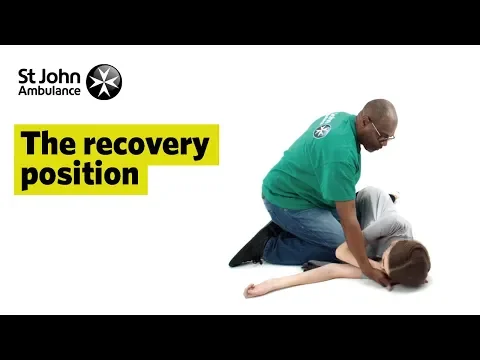
The Recovery Position Video
Hands Only CPR (30 secs) Video
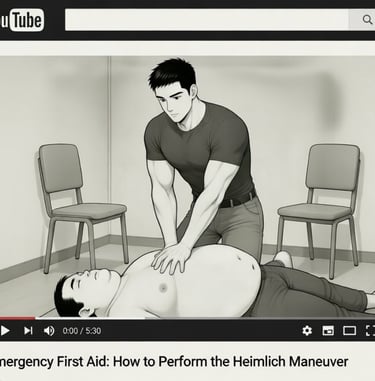
Choking: First aid steps and key action
How to Treat Severe Bleeding
What To Do If Someone Has A Seizure
How To Video Safety Information


⚠️ Call Emergency Services if unsure about the health status of another person. Stay with person until emergency services arrive.
🚩 The "Red Flag" Signs
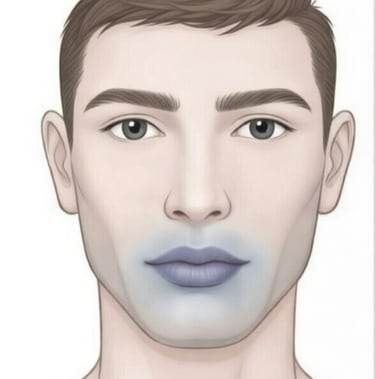
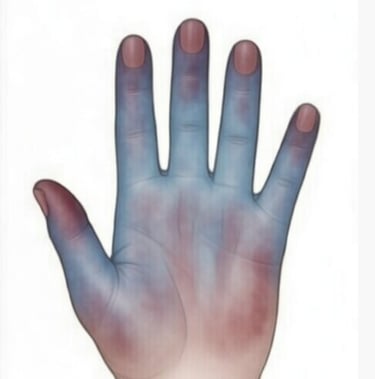
Cyanosis (Blue/Grey Skin):
Look at the lips, fingernails, and earlobes. If they are turning blue, purple, or a ghostly grey.
It is a sign the person is not getting enough oxygen.
🔗 View Cyanosis Information
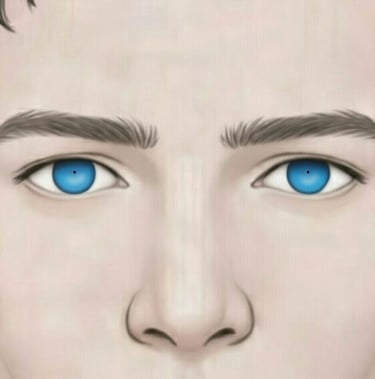
Pinpoint Pupils:
If the black part of the eye is tiny (like a pinhead) and does not change in the light, this is a classic sign of an opioid overdose.
🔗 View Pinpoint Pupils Information
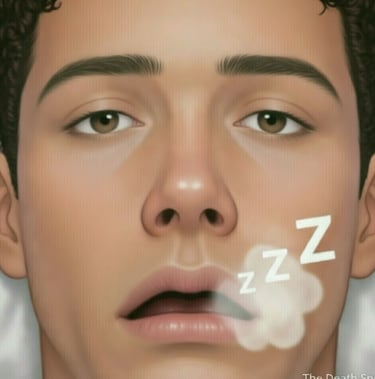
The "Death Snore":
If the person is making deep snoring, gurgling, or "choking" sounds, they are not sleeping.
This is a sign of a severely obstructed or failing airway.
🔗 View Death Snore Information
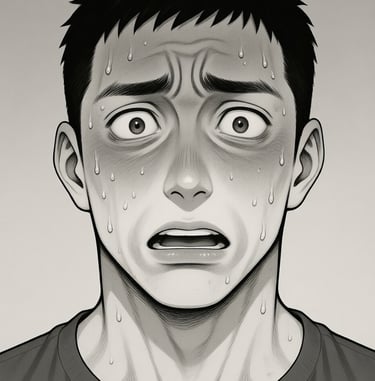
Cold or Clammy Skin:
If their skin feels unusually cold, damp, or "sweaty" while they are unresponsive, they may be going into shock.
🔗 View Cold or Clammy Skin Information
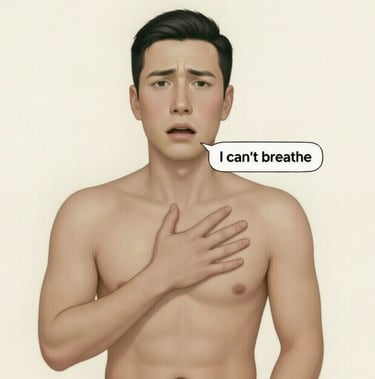
Shallow or Infrequent Breathing:
If you cannot see their chest moving at least 10–12 times a minute, or
If their breathing is very faint, they are in respiratory distress.
🔗 View Shallow Breathing Information
While Waiting for Help:
Once you have called emergency services number, follow these steps:
1) Stay with the Person:
Never leave an unconscious or injured person alone.
2) Clear the Space:
Move furniture or hazards so paramedics have direct access.
3) Unlock the Door:
Make sure the entrance is accessible for the emergency crew.
If Unconscious (But Breathing)
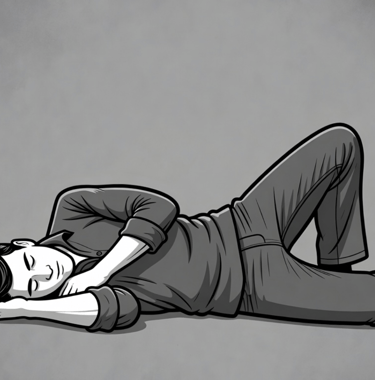
The Recovery Position:
✔️ Place them on their side with their head tilted back.
✔️ This keeps the airway open and prevents choking on vomit.
✔️ Continuously check their breathing.
🔗 View Recovery Information






Signs and Symptoms Safety Information

⚠️ Call Emergency Services if unsure about the health status of another person. Stay with person until emergency services arrive.
Once you have called emergency services number, follow these steps:
1) Stay with the Person:
Never leave an unconscious or injured person alone.
✔️ Make observations about breathing and general health/state.
2) Clear the Space:
Move furniture or hazards so paramedics have direct access.
3) Unlock the Door:
Make sure the entrance is accessible for the emergency crew.
4) If Unconscious (But Breathing)
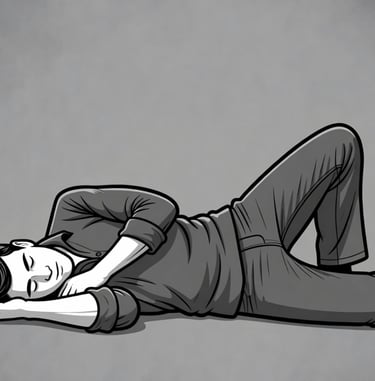
✔️ The Recovery Position
✔️ Place them on their side with their head tilted back.
✔️ This keeps the airway open and prevents choking on vomit.
⚠️ Continuously check their breathing.

Recovery Position Safety Information

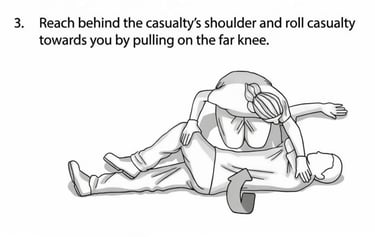

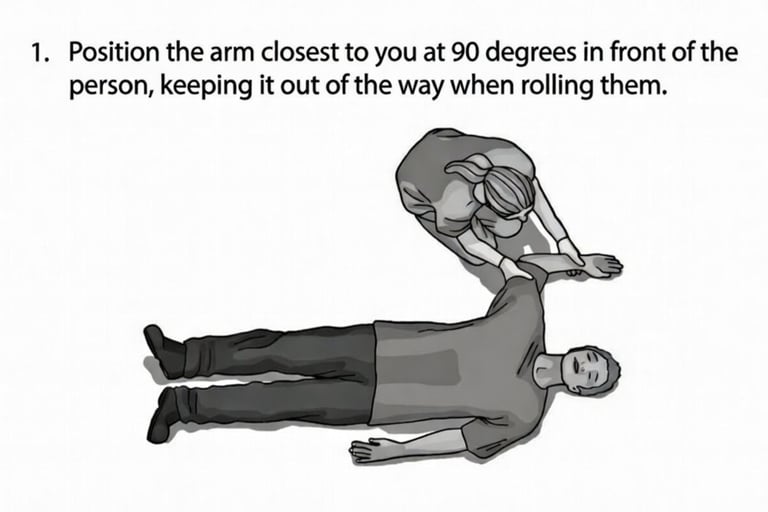
Step 1:
Move the arm closest to you at 90 degrees (L Shape) in front of the person
Keeping it out of the way when rolling them
Step 3:
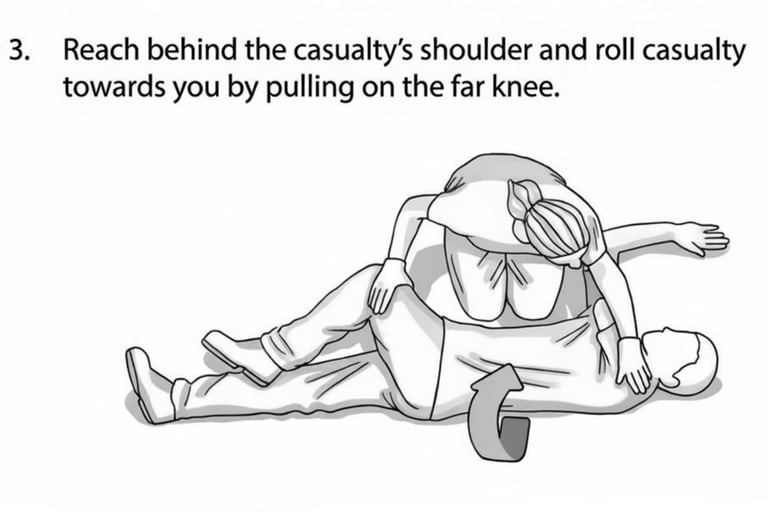
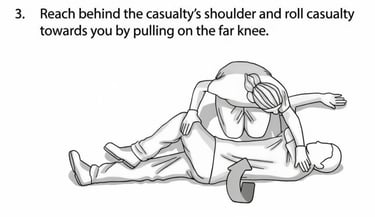
Reach behind the person's shoulder and roll person towards you by pulling on the far knee
Step 2:
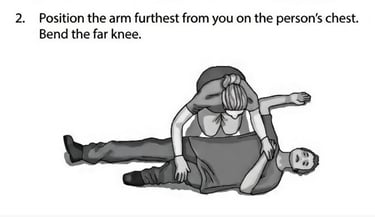
Move the arm furthest from you on the person's chest. Bend the person's knee

⚠️ Call Emergency Services if unsure about the health status of another person. Stay with person until emergency services arrive.
Medical Emergency: Choking
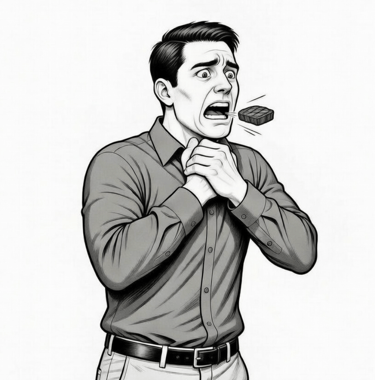
If a person is accidentally choking on food, a small object, or vomit (often a risk if they are intoxicated), follow the:
"Cough, Slap, Squeeze"
1) How to help a conscious person:
✔️ Encourage them to cough
✔️ If they can speak or cough loudly, the blockage is only partial.
✔️ Stay with them and encourage them to clear it themselves.

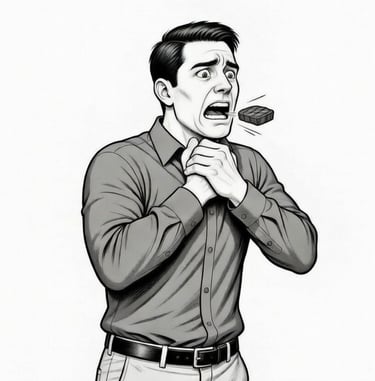
Choking First Aid Safety Information

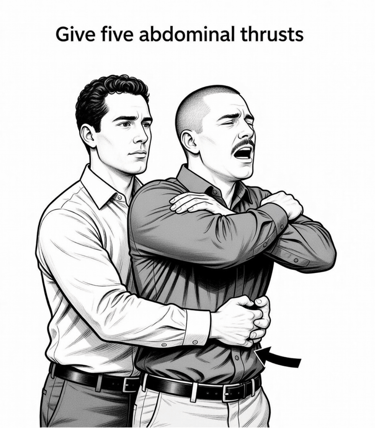

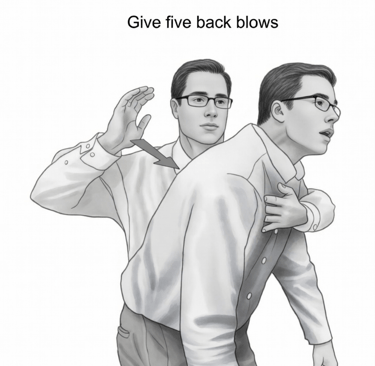
3) Abdominal Thrusts (Heimlich):
If back blows fail, stand behind them.
✔️ Link your hands between their belly button and the bottom of their chest.
✔️ Pull sharply inward and upward.
2) Back Slap:
If they cannot breathe, speak, or cough, lean them forward (supporting their chest).
✔️ Give up to 5 sharp blows between the shoulder blades with the heel of your hand.
⚠️ Call Emergency Services:
✔️ If the object hasn't cleared after one cycle of 5 & 5,
✔️ Call an ambulance immediately.
✔️ If the person becomes unresponsive: Lower them gently to the floor and begin CPR immediately.
✔️ The chest compressions may help dislodge the object.
Video Tutorial:
⚠️ Call Emergency Services if unsure about the health status of another person. Stay with person until emergency services arrive.
1. Danger (Assessment)
Check the room for:
✔️ Hazards (needles, spilled liquids, electrical hazard, or aggressive individuals).
You cannot help a person if you become one yourself.
In drug-related incidents, be particularly mindful of "sharps" (needles).
2. Response (Shout and Shake)
✔️ Kneel by their head
✔️ Shake their shoulders firmly and shout loudly in both ears:
"Hello, can you hear me? Open your eyes!"
✔️ This checks the Central Nervous System. If there is no response, the person is unconscious, and their airway is at immediate risk.
3. Call or Ask for Help Emergency Services
✔️ Call Emergency Services immediately.
✔️ If you are alone, use your mobile on loudspeaker so your hands remain free.
If someone else is there, point at them and say: "You, call 999 and bring back a defibrillator (AED)."
Early activation of emergency services is the single most important factor in survival.
The operator will now stay on the line to coach you through the next steps.
4. Airway (The Head-Tilt)
✔️ Place one hand on their forehead and two fingers under their chin.
✔️ Gently tilt the head back and lift the chin.
✔️ When unconscious, the tongue loses muscle tone and falls to the back of the throat, blocking the airway.
✔️ Tilting the head physically lifts the tongue away from the "pipe."
5. Breathing (The 10-Second Check)
✔️ Look at the chest for movement. Listen for breath sounds.
✔️ Feel for breath on your cheek.
✔️ Do this for no more than 10 seconds.
⚠️ If they are making "agonal gasps" (infrequent, noisy, or snorting sounds), treat this as not breathing. Agonal gasps are a reflex from a dying brain, not functional breathing.
CPR (Compressions)
✔️ If they aren't breathing, start compressions immediately.
✔️ Heel of one hand in the centre of the chest,
✔️ The other hand on top, fingers interlocked.
Push:
Push down 5–6cm (about 2 inches).
Speed
100–120 beats per minute (the rhythm of "Stayin' Alive" or "Baby Shark").
Ratio:
If trained 30 compressions followed by 2 breaths
If untrained, perform Hands-Only CPR (continuous compressions).
Defibrillation (The AED)
✔️ As soon as an AED arrives, switch it on and follow the voice prompts.
⚠️ Do not stop CPR until the machine tells you to.
Informational Video:

CPR|No Heart Beat Safety Information


⚠️ Call Emergency Services if unsure about the health status of another person. Stay with person until emergency services arrive.
Safety Information Resources |References
St Johns CPR App
A free CPR app will teach you the life-saving skills of CPR on an adult, child or baby. You’ll learn how to help keep someone alive using CPR and an AED until help arrives.
The app gives you:
✔️ Instructions on how to perform CPR and use an AED (including videos)
✔️ A timer to help with steady chest compressions.
✔️ English, Te Reo Māori and Simplified Chinese language options.
✔️ An option to change the emergency call number when you’re overseas.
Download from Apple App Store
Download from Google Play Store
St Johns the AED locations app
If you need to help someone having a cardiac arrest, you can find the closest AED with this app from Abletech NZ.
🔗 Visit St Johns New Zealand AED Locater Website
Download AED St Johns from Apple App Store
Download AED St Johns from Google Play Store
Register for the GoodSAM app
In cardiac arrest, seconds count. The GoodSAM network of trained volunteers - including doctors, nurses, paramedics and registered first aiders - give life support to people in cardiac arrest while help is on the way.
GoodSAM is a free app that alerts trained volunteers that a person nearby could be in cardiac arrest, allowing them to provide basic life support and first aid prior to emergency services arriving.
Visit the GoodSAM Website for more nformation and to register as a responder, then get the app:
⚠️ MSWI.net is informational only and does not endorse or encourage sex work.
No advertising or paid endorsements
© 2025. All rights reserved.

